
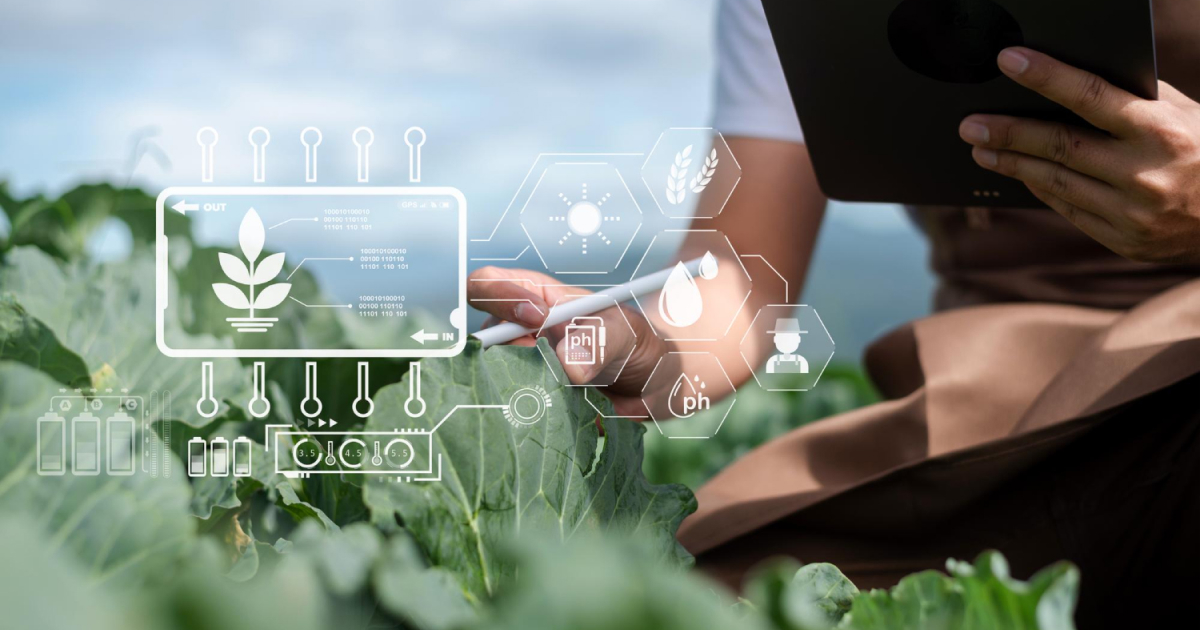
Agriculture is evolving rapidly with the integration of advanced technologies like smart farming, which aims to maximize productivity while conserving resources. One of the most critical elements of this transformation is water management. With climate change and water scarcity becoming global challenges, especially in agriculture-intensive regions like Gujarat, effective water filtration systems are essential to ensure the sustainability of farms. These filters prevent contaminants from entering irrigation systems, protect crops from potential harm, and optimize water usage—an urgent need for modern farming.
In this blog, we will explore how water filtration systems, specifically designed for agriculture, are shaping the future of smart farming technologies. We will examine the role of Water filter manufacturers in Gujarat, how these filters improve irrigation efficiency, the innovations driving the filtration industry, and their importance in fostering sustainable agriculture.
The Increasing Demand for Advanced Water Filtration in Agriculture
Water is a critical input for agriculture, but its availability is becoming increasingly unpredictable due to climate change. According to the Food and Agriculture Organization (FAO), agriculture accounts for 70% of global freshwater withdrawals. However, with groundwater depletion, erratic rainfall, and rising temperatures, farmers are facing unprecedented water shortages. Efficient water management practices, such as drip irrigation and water recycling, are essential for overcoming these challenges. But to ensure that these systems work efficiently, water needs to be free of contaminants that could clog the pipes, affect plant health, or degrade equipment.
This is where advanced irrigation filter manufacturers in Gujarat come into the picture. Gujarat, a state known for its robust agricultural economy, is increasingly adopting smart farming technologies to address these water challenges. Farmers in this region rely heavily on efficient irrigation systems to optimize water use, and water filters are crucial to maintaining the quality and functionality of these systems.
The Role of Water Filtration in Smart Farming Technologies
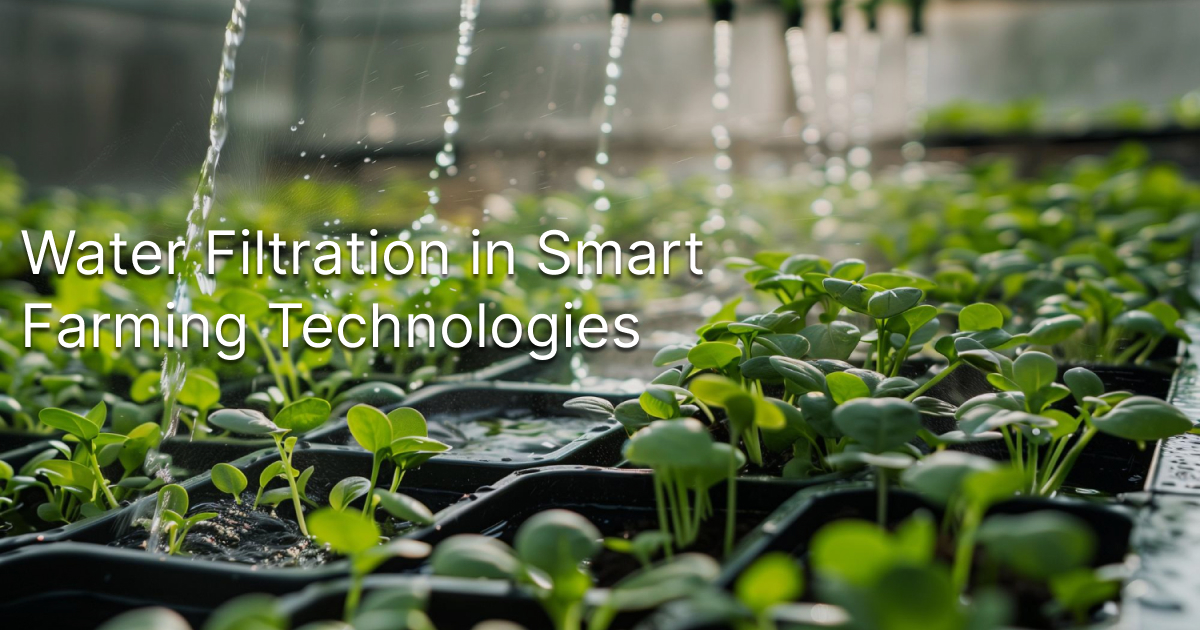 Water filtration systems in smart farming technologies are more than just tools for preventing clogs in irrigation lines. They are integral to the entire ecosystem of precision agriculture, which relies on accurate data and efficient resource use. As farmers adopt IoT-based systems, automation, and AI-driven technologies, the role of filtration becomes even more critical in ensuring that water is clean and systems operate smoothly.
Let’s look at how water filtration supports the following aspects of smart farming
- Efficient Irrigation Management::Smart farming technologies use sensors, automated systems, and data analytics to optimize irrigation schedules and water distribution. However, these systems are highly sensitive to water quality. If water contains debris, sand, or algae, it can block valves, reduce the efficiency of emitters, and damage irrigation pumps. Efficient irrigation filters in Gujarat are designed to address this problem by removing contaminants before they enter the irrigation system. This ensures a consistent and uninterrupted flow of water, allowing smart irrigation systems to function as intended.
- Monitoring and Control: IoT-based irrigation systems monitor soil moisture levels, water usage, and weather conditions to automatically adjust water supply. These systems also need to monitor water quality, as poor-quality water can harm crops. Advanced irrigation filter suppliers in Gujarat now offer filtration systems equipped with sensors that can detect changes in water quality in real-time. These systems can automatically alert the farmer if maintenance or filter replacement is needed, ensuring that irrigation systems continue to operate efficiently without constant human intervention.
- Sustainability: Smart farming is built on the principle of sustainability. It aims to use fewer resources to produce more, and water is one of the most critical of these resources. By using filtered water in irrigation systems, farmers can ensure that no unnecessary water is wasted due to clogs or inefficiencies. Moreover, clean water means healthier crops, which reduces the need for additional inputs like fertilizers and pesticides. This is a key advantage for agriculture water filter manufacturers in Gujarat, who are increasingly offering eco-friendly, energy-efficient filtration solutions designed to support sustainable farming practices.
Challenges in Water Filtration for Agriculture
While water filtration is essential for agriculture, it comes with its own set of challenges, especially in a dynamic and rapidly evolving sector like smart farming. Understanding these challenges is crucial for Irrigation filter manufacturers Gujarat to design solutions that are effective, durable, and easy to maintain.
- Water Quality Variability: Farmers often use a variety of water sources for irrigation, including groundwater, surface water, and recycled water. The quality of these water sources can vary significantly depending on factors such as seasonality, proximity to industrial areas, or levels of pollution. Filtration systems must be versatile enough to handle these different qualities of water. For example, water filter manufacturers in Gujarat must ensure that their products can filter out different types of contaminants, including sediments, bacteria, chemicals, and organic matter.
- Maintenance and Clogging: Even the most advanced water filtration systems can become clogged over time if they are not maintained properly. Clogging reduces water flow, increases energy consumption, and can eventually damage irrigation equipment. For this reason, manufacturers are now developing self-cleaning filters, which can remove debris automatically, reducing the need for frequent manual maintenance. However, this technology is still relatively new and can be expensive to implement, especially for small-scale farmers.
- Cost: The initial cost of installing advanced filtration systems can be prohibitive for many farmers, particularly those in developing regions or smallholder farms. Although these systems offer long-term savings by reducing water waste and increasing efficiency, the upfront investment can be a barrier. To address this, many water filter manufacturers in Gujarat are working on developing more affordable solutions without compromising on quality. Additionally, government subsidies and financial incentives for water-efficient technologies are helping to make these systems more accessible.
Innovations in Water Filtration Technology
Technological advancements are transforming the water filtration industry, enabling manufacturers to produce more efficient, durable, and cost-effective systems. Several innovations are shaping the future of water filtration in smart farming:
- Smart Filters with IoT Integration: One of the most exciting developments is the integration of IoT technology into water filtration systems. Water filter manufacturers company in Gujarat are now producing filters equipped with sensors that can monitor water quality in real-time. These filters are connected to a central system that alerts farmers when maintenance is needed or when the filter needs to be replaced. This minimizes downtime and ensures that water quality is always optimal for crop health.
- Self-Cleaning Filters: Traditional water filters require regular cleaning to remove debris, which can be time-consuming and costly. Self-cleaning filters automatically remove contaminants without the need for manual intervention. These systems are ideal for large-scale farms where continuous operation is essential. By reducing maintenance requirements, self-cleaning filters help farmers save time and money, while also extending the lifespan of the filtration system.
- Nanofiltration and Ultrafiltration: Nanofiltration and ultrafiltration technologies are being used to filter out even the smallest particles, including harmful chemicals and microorganisms. These advanced filtration systems are particularly useful in regions where water quality is poor or where recycled wastewater is being used for irrigation. Agriculture water filter manufacturers in Gujarat are increasingly adopting these technologies to ensure that water used in irrigation is free of contaminants that could harm crops or soil health.
- Energy-Efficient Filtration Systems: As sustainability becomes a key focus in agriculture, there is a growing demand for energy-efficient water filtration systems. New technologies are being developed to reduce the energy consumption of filtration systems, making them more environmentally friendly and cost-effective for farmers. For example, gravity-based filtration systems use the natural force of gravity to filter water, reducing the need for energy-intensive pumps.
- Modular Filtration Systems: Customization is becoming increasingly important in the water filtration industry. No two farms are the same, and each has its own unique water filtration needs. Irrigation filter manufacturers in Gujarat are now offering modular filtration systems that can be tailored to the specific requirements of each farm. This allows farmers to choose the filtration technologies that are most appropriate for their water source, crop type, and irrigation system
Sustainability and Environmental Impact
The focus on sustainability in agriculture is not only about conserving water but also about reducing the environmental impact of farming practices. Water filtration systems play a crucial role in this by preventing the spread of harmful contaminants, promoting water recycling, and reducing energy consumption.
- Preventing Water Contamination: Contaminated water can have a devastating impact on soil health, crop quality, and even human health. For example, if water contains high levels of salt or heavy metals, it can lead to soil degradation, making it harder for crops to grow. By using advanced filtration systems, farmers can ensure that only clean water reaches their fields, protecting both the environment and the food supply chain.
- Water Recycling and Reuse: As water becomes scarcer, the ability to recycle and reuse water is becoming more important in agriculture. However, recycled water often contains contaminants that must be removed before it can be used for irrigation. Irrigation filter suppliers Gujarat are now developing filters specifically designed for treating recycled water, ensuring that it is safe for agricultural use. This not only helps conserve water but also reduces the need for freshwater withdrawals, which can deplete local water resources.
- Reducing Energy Consumption: Energy consumption is a significant concern for modern farmers, particularly those who rely on pumps to distribute water across large fields. By improving the efficiency of filtration systems, manufacturers are helping to reduce the energy required to maintain these systems. This not only lowers operating costs for farmers but also reduces the carbon footprint of agricultural practices.
- Protecting Biodiversity: Clean water is essential for maintaining the biodiversity of agricultural ecosystems. Contaminated water can harm beneficial organisms, such as pollinators and soil microbes, which are essential for healthy crop growth. By filtering out harmful substances, advanced water filtration systems help protect the biodiversity of farms, promoting healthier ecosystems and more sustainable agriculture.
Economic and Social Implications
The economic and social implications of water filtration in smart farming are far-reaching. These systems are not only essential for improving the efficiency of agricultural practices but also for supporting the livelihoods of farmers and communities.
- Boosting Crop Yields: Clean water is essential for healthy crop growth. By ensuring that irrigation systems deliver filtered water, farmers can improve the quality and quantity of their yields. This is particularly important in regions like Gujarat, where agriculture is a key driver of the economy. Higher yields translate into increased income for farmers and greater food security for the region.
- Reducing Costs: While the initial investment in advanced filtration systems can be high, the long-term cost savings are significant. By reducing water waste, minimizing equipment damage, and improving crop health, these systems help farmers lower their operating costs. In addition, the use of energy-efficient filtration technologies further reduces costs by lowering energy consumption.
- Improving Rural Livelihoods: Agriculture is the backbone of rural communities, and improving the efficiency of farming practices can have a positive impact on livelihoods. By adopting smart farming technologies, including advanced water filtration systems, farmers can increase their productivity and income. This, in turn, helps strengthen rural economies and improve the quality of life for farming communities.
- Supporting Food Security: Water is essential for food production, and clean water is essential for growing healthy crops. By improving water filtration systems, farmers can ensure that their crops are safe to consume and free from harmful contaminants. This is critical for ensuring food security, both at the local and global levels.
The Future of Water Filtration in Agriculture

Looking ahead, the future of water filtration in agriculture is bright. As smart farming technologies continue to evolve, so too will the demand for innovative water filtration solutions. Water filter manufacturers company in Gujarat are at the forefront of this revolution, developing cutting-edge technologies that will help farmers overcome the challenges of water scarcity, climate change, and increasing demand for food.
In the coming years, we can expect to see even more integration between water filtration systems and smart farming technologies. Artificial intelligence, machine learning, and big data will play a significant role in optimizing water use and ensuring that filtration systems operate at peak efficiency. Additionally, as sustainability becomes a central focus in agriculture, we will likely see more emphasis on energy-efficient and environmentally friendly filtration solutions.
Conclusion
Water filtration is an essential component of modern agriculture, particularly in the context of smart farming technologies. By ensuring that water is clean and free from contaminants, filtration systems help farmers improve the efficiency of their irrigation systems, boost crop yields, and reduce costs. Water filter manufacturers in Gujarat are playing a key role in this transformation, developing innovative solutions that are helping farmers overcome the challenges of water scarcity and climate change.
As the demand for food continues to rise, and the availability of freshwater becomes increasingly limited, the role of water filtration in agriculture will only become more critical. By embracing advanced filtration technologies, farmers can ensure the sustainability of their operations, protect the environment, and support food security for future generations.